Buy seo-helper.eu ?
We are moving the project
seo-helper.eu .
Are you interested in purchasing the domain
seo-helper.eu ?
domain@kv-gmbh.de · 0541-91531010
Buy seo-helper.eu ?
Would the agricultural industry be interested in a pollination helper?
Yes, the agricultural industry would be very interested in a pollination helper. Pollination is a crucial process for the production of many crops, and the decline in pollinator populations has become a significant concern for farmers. A pollination helper could potentially increase crop yields and quality by ensuring efficient pollination, leading to higher profits for farmers. Additionally, a pollination helper could help reduce the reliance on natural pollinators, which are facing challenges such as habitat loss and pesticide exposure. **
What is the difference between self-pollination and cross-pollination?
Self-pollination occurs when pollen from the same plant fertilizes the ovules within the same flower or between different flowers on the same plant. This can happen through the transfer of pollen by wind, water, or self-pollinating mechanisms. On the other hand, cross-pollination involves the transfer of pollen from the male reproductive organ of one plant to the female reproductive organ of another plant of the same species. This process promotes genetic diversity and can result in stronger, more resilient offspring. **

Similar search terms for Pollination
Top-Angebote
Products related to Pollination:
-
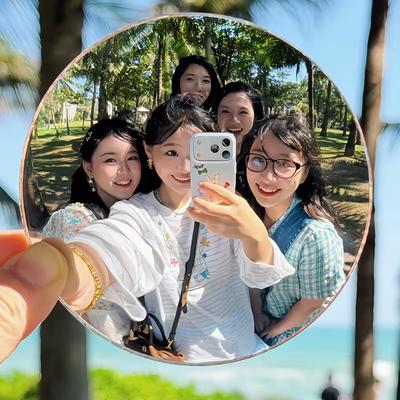
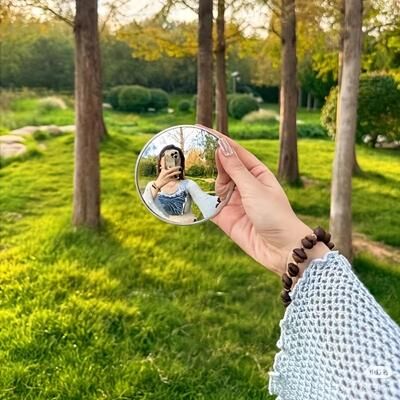
Fusion Finds Portable Selfie Mirror For Photography Convex Wide Angle Travel Mirror For Content Creators Portable Selfie Mirror For Photography Convex Wide Angle Travel Mirror For Content CreatorsExperience a whole new perspective with this portable selfie mirror designed to elevate your photos, videos, and everyday adventures. Whether you're a content creator, traveler, or selfie enthusiast, this compact accessory helps capture unique...32,97 $*Shipping: 0,00 $Secure redirect to the provider
-
Fusion Finds Portable Convex Travel Makeup Mirror Wide Angle Foldable Vanity Mirror For Vloggers & Content Creators Portable Convex Travel Makeup Mirror Wide Angle Foldable Vanity Mirror For Vloggers & Content CreatorsEnjoy more creative angles wherever inspiration strikes. This Travel Makeup Mirror is designed with a unique convex surface that expands your field of view, helping you capture eyecatching photos, videos, and styling shots with ease. Whether you're...31,97 $*Shipping: 0,00 $Secure redirect to the provider


-
What is pollination in flowers?
Pollination in flowers is the process by which pollen from the male reproductive organs (anthers) of a flower is transferred to the female reproductive organs (stigma) of the same or another flower, leading to fertilization and the production of seeds. This transfer of pollen can occur through various means, including wind, water, and animals such as bees, butterflies, and birds. Pollination is essential for the reproduction of flowering plants and the production of fruits and seeds. **
-
How does pollination occur in insects?
Pollination in insects occurs when they visit flowers in search of nectar or pollen. As they feed, they inadvertently brush against the reproductive parts of the flower, picking up pollen grains. When the insect moves to another flower of the same species, some of this pollen is transferred to the stigma, fertilizing the flower. This process allows for the successful reproduction of many plant species with the help of insect pollinators. **
-
What forms of pollination exist in primroses?
Primroses exhibit both self-pollination and cross-pollination. Self-pollination occurs when the plant's own pollen fertilizes its own ovules, leading to genetic uniformity. Cross-pollination, on the other hand, involves the transfer of pollen from one plant to another, promoting genetic diversity. Primroses can be pollinated by insects, such as bees and butterflies, as well as by wind. **
-
How does the pollination of insects occur?
Insect pollination occurs when insects, such as bees, butterflies, and beetles, visit flowers in search of nectar or pollen. As they move from flower to flower, they inadvertently transfer pollen from the male reproductive parts of one flower to the female reproductive parts of another. This transfer of pollen allows for fertilization and the production of seeds and fruits. Insects are attracted to flowers by their colors, scents, and nectar, and in the process of feeding, they facilitate the crucial process of pollination. **


What terms exist for external and internal pollination?
External pollination occurs when pollen is transferred between flowers by an external agent, such as wind, water, or animals. Internal pollination, on the other hand, occurs when pollen is transferred within the same flower or between flowers of the same plant. Both types of pollination are essential for the reproduction of many plant species. **
Do grapes only grow with pollination by bees?
No, grapes do not require pollination by bees to grow. Grapes are self-pollinating plants, meaning they have both male and female reproductive parts within the same flower, allowing them to pollinate themselves. While bees can help with pollination and increase grape yields, they are not necessary for grape production. **
Top-Angebote
Products related to Pollination:
-
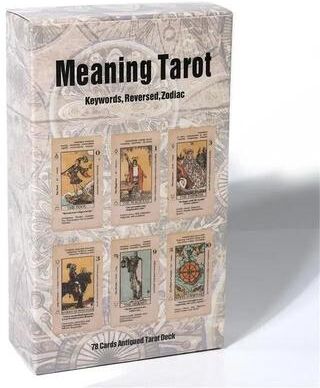
Uplifted Finds Beginner Tarot Deck With Keywords & Meanings Antiqued Learning Tarot 78 Card Set Beginner Tarot Deck With Keywords & Meanings Antiqued Learning Tarot 78 Card SetCommand ultimate spiritual confidence with the Beginner Learning Tarot System, a highperformance metaphysical solution specifically engineered to act as a comprehensive tool for elite organization and superior technical ergonomics. Built with a...44,97 $*Shipping: 0,00 $Secure redirect to the provider
-
GlowBake Advanced Skin Tester, Face Skin Moisture & Oil Content Analyzer Advanced Skin Tester, Face Skin Moisture & Oil Content AnalyzerDiscover your skins true condition with our advanced Skin Tester a compact yet powerful face skin analyzer designed to measure moisture, oil content, skin water, cheek elastic quality, and even estimate skin age in seconds. Ideal for home use or pro...27,97 $*Shipping: 0,00 $Secure redirect to the provider
-
Would the agricultural industry be interested in a pollination helper?
Yes, the agricultural industry would be very interested in a pollination helper. Pollination is a crucial process for the production of many crops, and the decline in pollinator populations has become a significant concern for farmers. A pollination helper could potentially increase crop yields and quality by ensuring efficient pollination, leading to higher profits for farmers. Additionally, a pollination helper could help reduce the reliance on natural pollinators, which are facing challenges such as habitat loss and pesticide exposure. **
-
What is the difference between self-pollination and cross-pollination?
Self-pollination occurs when pollen from the same plant fertilizes the ovules within the same flower or between different flowers on the same plant. This can happen through the transfer of pollen by wind, water, or self-pollinating mechanisms. On the other hand, cross-pollination involves the transfer of pollen from the male reproductive organ of one plant to the female reproductive organ of another plant of the same species. This process promotes genetic diversity and can result in stronger, more resilient offspring. **
-
What is pollination in flowers?
Pollination in flowers is the process by which pollen from the male reproductive organs (anthers) of a flower is transferred to the female reproductive organs (stigma) of the same or another flower, leading to fertilization and the production of seeds. This transfer of pollen can occur through various means, including wind, water, and animals such as bees, butterflies, and birds. Pollination is essential for the reproduction of flowering plants and the production of fruits and seeds. **
-
How does pollination occur in insects?
Pollination in insects occurs when they visit flowers in search of nectar or pollen. As they feed, they inadvertently brush against the reproductive parts of the flower, picking up pollen grains. When the insect moves to another flower of the same species, some of this pollen is transferred to the stigma, fertilizing the flower. This process allows for the successful reproduction of many plant species with the help of insect pollinators. **
Similar search terms for Pollination
-
Fusion Finds Portable Selfie Mirror For Photography Convex Wide Angle Travel Mirror For Content Creators Portable Selfie Mirror For Photography Convex Wide Angle Travel Mirror For Content CreatorsExperience a whole new perspective with this portable selfie mirror designed to elevate your photos, videos, and everyday adventures. Whether you're a content creator, traveler, or selfie enthusiast, this compact accessory helps capture unique...32,97 $*Shipping: 0,00 $Secure redirect to the provider
-
Fusion Finds Portable Convex Travel Makeup Mirror Wide Angle Foldable Vanity Mirror For Vloggers & Content Creators Portable Convex Travel Makeup Mirror Wide Angle Foldable Vanity Mirror For Vloggers & Content CreatorsEnjoy more creative angles wherever inspiration strikes. This Travel Makeup Mirror is designed with a unique convex surface that expands your field of view, helping you capture eyecatching photos, videos, and styling shots with ease. Whether you're...31,97 $*Shipping: 0,00 $Secure redirect to the provider
-
Guidecraft Contemporary Kitchen HelperSafely enjoy every moment of togetherness with the original folding Kitchen Helper Step Stool for toddlers. Encourage independence and give children access to counter height using the adjustable platform.199,95 $*Shipping: 0,00 $Secure redirect to the provider
-
What forms of pollination exist in primroses?
Primroses exhibit both self-pollination and cross-pollination. Self-pollination occurs when the plant's own pollen fertilizes its own ovules, leading to genetic uniformity. Cross-pollination, on the other hand, involves the transfer of pollen from one plant to another, promoting genetic diversity. Primroses can be pollinated by insects, such as bees and butterflies, as well as by wind. **
-
How does the pollination of insects occur?
Insect pollination occurs when insects, such as bees, butterflies, and beetles, visit flowers in search of nectar or pollen. As they move from flower to flower, they inadvertently transfer pollen from the male reproductive parts of one flower to the female reproductive parts of another. This transfer of pollen allows for fertilization and the production of seeds and fruits. Insects are attracted to flowers by their colors, scents, and nectar, and in the process of feeding, they facilitate the crucial process of pollination. **
-
What terms exist for external and internal pollination?
External pollination occurs when pollen is transferred between flowers by an external agent, such as wind, water, or animals. Internal pollination, on the other hand, occurs when pollen is transferred within the same flower or between flowers of the same plant. Both types of pollination are essential for the reproduction of many plant species. **
-
Do grapes only grow with pollination by bees?
No, grapes do not require pollination by bees to grow. Grapes are self-pollinating plants, meaning they have both male and female reproductive parts within the same flower, allowing them to pollinate themselves. While bees can help with pollination and increase grape yields, they are not necessary for grape production. **
* All prices are inclusive of VAT and, if applicable, plus shipping costs. The offer information is based on the details provided by the respective shop and is updated through automated processes. Real-time updates do not occur, so deviations can occur in individual cases. ** Note: Parts of this content were created by AI.