Buy seo-helper.eu ?
We are moving the project
seo-helper.eu .
Are you interested in purchasing the domain
seo-helper.eu ?
domain@kv-gmbh.de · 0541-91531010
Buy seo-helper.eu ?
Is it competitive or non-competitive inhibition?
It is non-competitive inhibition. This is because the inhibitor binds to an allosteric site on the enzyme, which is different from the active site where the substrate binds. This type of inhibition does not compete with the substrate for binding to the enzyme, hence the name non-competitive inhibition. **
Non-competitive inhibition, right?
Non-competitive inhibition is a type of enzyme inhibition where the inhibitor binds to a site on the enzyme that is not the active site. This binding causes a conformational change in the enzyme, making it less effective at catalyzing the reaction. Non-competitive inhibitors do not compete with the substrate for binding to the enzyme. Instead, they can bind to the enzyme-substrate complex or to a separate allosteric site on the enzyme. **


Similar search terms for Non-competitive
Top-Angebote
Products related to Non-competitive:
-
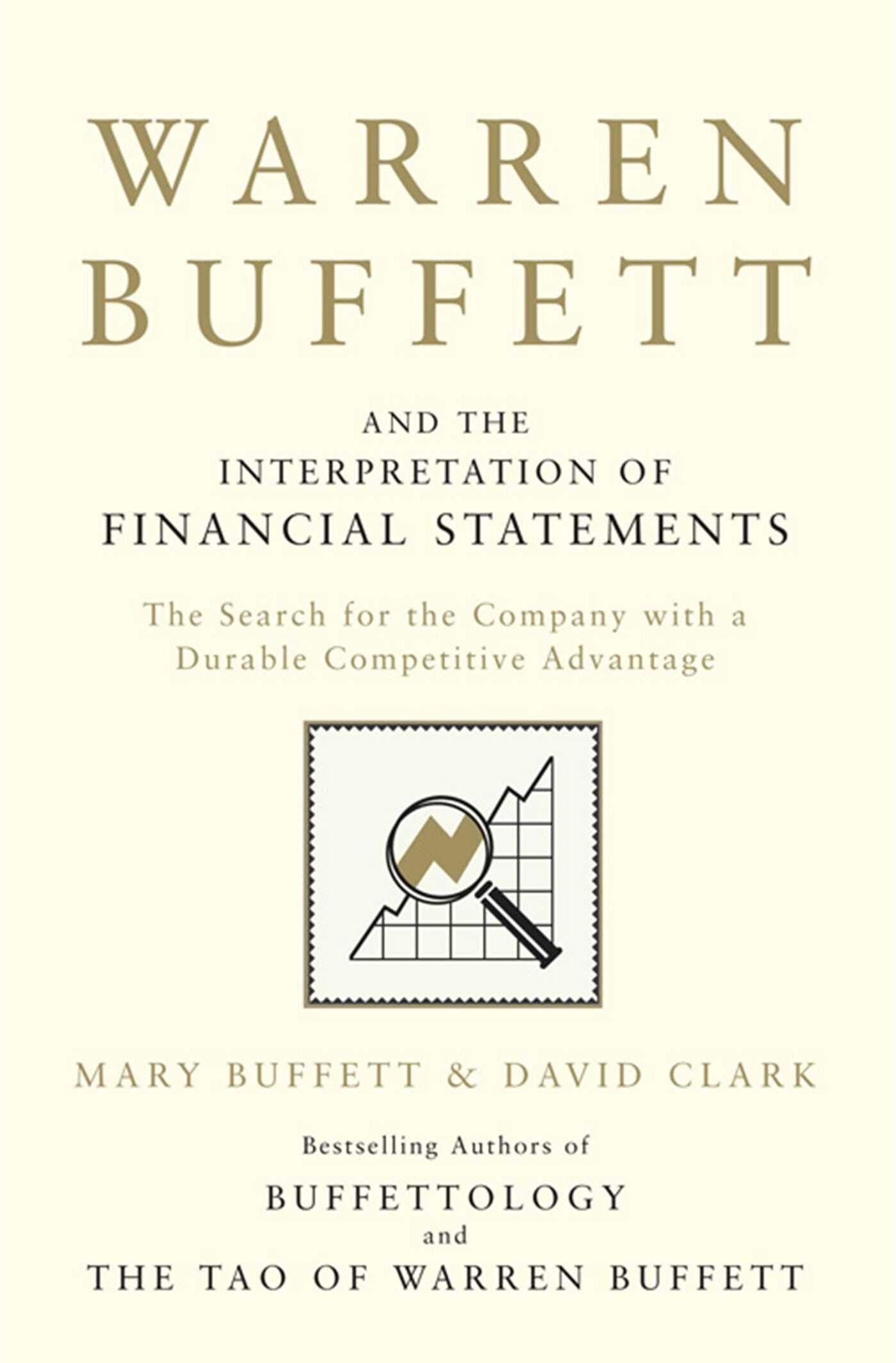
Simon and Schuster UK Warren Buffett and the Interpretation of Financial Statements: The Search for the Company with a Durable Competitive AdvantageWith an insider's view of the mind of the master, Mary Buffett and David Clark have written a simple guide for reading financial statements from Buffett's successful perspective. They clearly outline Warren Buffett's strategies in a way that will appeal to newcomers and seasoned Buffettologists alike. Inspired by the seminal work of Buffett's mentor, Benjamin Graham, this book presents Buffett's interpretation of financial statements with anecdotes and quotes from the master investor himself. Destined to become a classic in the world of investment books, Warren Buffett and the Interpretation of Financial Statements is the perfect companion volume to The New Buffettology and The Tao of Warren Buffett.4,95 £*Shipping: 1,99 £Secure redirect to the provider
-
Stellar 5000 Induction Flow 28cm Non-Stick Saute Pan With Helper HandleThe Stellar 5000 Induction Flow 28cm Non-Stick Saute Pan with Helper Handle promises maximum performance capabilities to elevate your culinary skills to new heights. Although suitable for all cooking hobs, Stellar 5000 Induction Flow has been specifically designed for induction hobs due to the high conductivity aluminium bases which ensure even heat distribution and precise control, thanks to flat bases that accurately read induction zones. This 28cm non-stick saute pan is oven safe up to 180°C and is dishwasher safe providing easy to clean cookware. Comfort is a top priority in the design, featuring stainless steel riveted handles with heat-resistant grips for safe and secure handling. The addition of helpful vented glass lids not only aids in monitoring your cooking but also contributes to a more efficient and enjoyable experience. Dimensions: 14(H) x 29(W) x 52.2(L) cm. Weight: 2.56kg. Stellar lifetime pan guarantee & a 10-year non-stick guarantee. Please Note: Due to the re-branding of Stellar 5000 Induction Range to Stellar Flow, packaging may vary.49,95 £*Shipping: 3,50 £Secure redirect to the provider
-
Kuhn Rikon Culinary Fiveply 28cm Non-Stick Wok/Chef's Pan with Lid and Helper HandlePrepare vegetables, fish or meat over medium to high heat with the Kuhn Rikon Culinary Fiveply 28cm Non-Stick Wok/Chef's Pan with Lid. It is your perfect companion for stews, stir-fries and sauce dishes. This non-stick wok/chef's pan is crafted from high-quality 5-ply multi-layer material with a thickness of 3.2 mm. It is incredibly robust and durable due to the unique blend of different alloys - stainless steel, 3 layers of aluminium, and stainless steel. The pan ensures an even distribution of heat throughout, guaranteeing consistent cooking results. The high-quality 3-layer non-stick coating ensures nothing sticks to the pan, and only a tiny amount of oil is required when frying. The Culinary Fiveply wok/chef's pan has one stay-cool handle and a helper handle for comfortable handling, and a rivetless design with no attached base, making it quick and easy to clean. The closed rim makes it dishwasher safe and easier to pour sauces and liquids. Moreover, it comes with a stainless steel lid to keep your food at the perfect temperature. Suitable for all hob types, including induction, the Kuhn Rikon Culinary Fiveply Non-Stick Wok/Chef's Pan is oven-safe up to 240°C. The Kuhn Rikon Culinary Fiveply 28cm Non-Stick Wok/Chef's Pan comes with a manufacturer's limited lifetime guarantee, making it a reliable and long-lasting addition to your kitchen.159,95 £*Shipping: 0,00 £Secure redirect to the provider
-
Qaba Toddler Tower, Adjustable 3 Step Kitchen Stool Helper with Handles, Non-slip Surface & Foot Pads, GrayDescriptions: Discover the magic of independence with the Qaba toddler step stool! This adjustable marvel transforms from a 3-step to a 2-step stool, adapting as your baby grows. Its trapezoid structure and non-slip surface ensure safety during climbs.45,58 $*Shipping: 0,00 $Secure redirect to the provider



-
What is the difference between competitive and non-competitive inhibition?
Competitive inhibition occurs when a molecule competes with the substrate for the active site of the enzyme, thus reducing the enzyme's ability to bind with the substrate. Non-competitive inhibition, on the other hand, occurs when a molecule binds to a site on the enzyme other than the active site, causing a conformational change in the enzyme that reduces its activity. In competitive inhibition, increasing the substrate concentration can overcome the inhibition, while in non-competitive inhibition, increasing the substrate concentration does not alleviate the inhibition. **
-
Is non-competitive inhibition irreversible or reversible?
Non-competitive inhibition is a type of enzyme inhibition that is reversible. In non-competitive inhibition, the inhibitor binds to the enzyme at a site other than the active site, causing a conformational change in the enzyme that reduces its activity. This type of inhibition can be overcome by increasing the substrate concentration, as it does not involve permanent alteration of the enzyme. **
-
What is an example of non-competitive inhibition?
An example of non-competitive inhibition is the binding of an allosteric inhibitor to an enzyme at a site other than the active site. This binding causes a conformational change in the enzyme, which reduces its activity and prevents the substrate from binding to the active site. This type of inhibition does not compete with the substrate for binding to the active site, hence the term "non-competitive." An example of this is the binding of ATP to the enzyme phosphofructokinase in glycolysis, which inhibits its activity. **
-
Can you give me an example of competitive and non-competitive inhibition in biology?
Sure! In competitive inhibition, a molecule similar in structure to the substrate competes with the substrate for the active site of the enzyme. This prevents the substrate from binding to the enzyme and carrying out its normal function. An example of this is the drug statins, which competitively inhibit the enzyme HMG-CoA reductase, involved in cholesterol synthesis. In non-competitive inhibition, a molecule binds to the enzyme at a location other than the active site, causing a conformational change in the enzyme that reduces its activity. An example of this is the poison cyanide, which non-competitively inhibits the enzyme cytochrome c oxidase in the electron transport chain, disrupting cellular respiration. **


Is allosteric inhibition the same as non-competitive inhibition?
Allosteric inhibition and non-competitive inhibition are not the same, although they are related. Non-competitive inhibition refers to the binding of an inhibitor to a site on the enzyme that is not the active site, thereby preventing the substrate from binding to the active site. Allosteric inhibition, on the other hand, occurs when an inhibitor binds to a site on the enzyme that is distinct from the active site, causing a conformational change in the enzyme that reduces its activity. While both types of inhibition involve the binding of an inhibitor to a site other than the active site, allosteric inhibition specifically involves a change in the enzyme's shape and activity. **
What is the difference between non-competitive and allosteric inhibition?
Non-competitive inhibition occurs when an inhibitor binds to an enzyme at a site other than the active site, causing a conformational change that prevents the substrate from binding. This type of inhibition is not affected by the concentration of the substrate. On the other hand, allosteric inhibition occurs when an inhibitor binds to an allosteric site on the enzyme, causing a conformational change that reduces the enzyme's activity. Allosteric inhibition is often reversible and can be overcome by increasing the concentration of the substrate. **
Top-Angebote
Products related to Non-competitive:
-
All Categories Goods Premium Wooden Chess Clock Timer Classic Mechanical Chess Clock For Competitive Play & Home Games Premium Wooden Chess Clock Timer Classic Mechanical Chess Clock For Competitive Play & Home GamesTurn every match into a memorable showdown with this timeless chess clock timer, crafted for both serious players and casual game nights. Whether youre practicing strategy or competing with friends, its classic mechanical design brings reliable...99,97 $*Shipping: 0,00 $Secure redirect to the provider
-
Inspire Daily Merch Safe Kids Desktop Turtles Eat Beans Game Entertainment Educational Competitive Toy For Parent child Interaction 36 BeansEducational Fun for Kids The Kids Desktop Competitive Games Turtles Eat Beans toy is designed to offer hours of engaging fun while promoting valuable parentchild interaction. This safe and educational toy helps children develop essential skills such...69,97 $*Shipping: 0,00 $Secure redirect to the provider
-
Simon and Schuster UK Warren Buffett and the Interpretation of Financial Statements: The Search for the Company with a Durable Competitive AdvantageWith an insider's view of the mind of the master, Mary Buffett and David Clark have written a simple guide for reading financial statements from Buffett's successful perspective. They clearly outline Warren Buffett's strategies in a way that will appeal to newcomers and seasoned Buffettologists alike. Inspired by the seminal work of Buffett's mentor, Benjamin Graham, this book presents Buffett's interpretation of financial statements with anecdotes and quotes from the master investor himself. Destined to become a classic in the world of investment books, Warren Buffett and the Interpretation of Financial Statements is the perfect companion volume to The New Buffettology and The Tao of Warren Buffett.4,95 £*Shipping: 1,99 £Secure redirect to the provider
-
Stellar 5000 Induction Flow 28cm Non-Stick Saute Pan With Helper HandleThe Stellar 5000 Induction Flow 28cm Non-Stick Saute Pan with Helper Handle promises maximum performance capabilities to elevate your culinary skills to new heights. Although suitable for all cooking hobs, Stellar 5000 Induction Flow has been specifically designed for induction hobs due to the high conductivity aluminium bases which ensure even heat distribution and precise control, thanks to flat bases that accurately read induction zones. This 28cm non-stick saute pan is oven safe up to 180°C and is dishwasher safe providing easy to clean cookware. Comfort is a top priority in the design, featuring stainless steel riveted handles with heat-resistant grips for safe and secure handling. The addition of helpful vented glass lids not only aids in monitoring your cooking but also contributes to a more efficient and enjoyable experience. Dimensions: 14(H) x 29(W) x 52.2(L) cm. Weight: 2.56kg. Stellar lifetime pan guarantee & a 10-year non-stick guarantee. Please Note: Due to the re-branding of Stellar 5000 Induction Range to Stellar Flow, packaging may vary.49,95 £*Shipping: 3,50 £Secure redirect to the provider
-
Is it competitive or non-competitive inhibition?
It is non-competitive inhibition. This is because the inhibitor binds to an allosteric site on the enzyme, which is different from the active site where the substrate binds. This type of inhibition does not compete with the substrate for binding to the enzyme, hence the name non-competitive inhibition. **
-
Non-competitive inhibition, right?
Non-competitive inhibition is a type of enzyme inhibition where the inhibitor binds to a site on the enzyme that is not the active site. This binding causes a conformational change in the enzyme, making it less effective at catalyzing the reaction. Non-competitive inhibitors do not compete with the substrate for binding to the enzyme. Instead, they can bind to the enzyme-substrate complex or to a separate allosteric site on the enzyme. **
-
What is the difference between competitive and non-competitive inhibition?
Competitive inhibition occurs when a molecule competes with the substrate for the active site of the enzyme, thus reducing the enzyme's ability to bind with the substrate. Non-competitive inhibition, on the other hand, occurs when a molecule binds to a site on the enzyme other than the active site, causing a conformational change in the enzyme that reduces its activity. In competitive inhibition, increasing the substrate concentration can overcome the inhibition, while in non-competitive inhibition, increasing the substrate concentration does not alleviate the inhibition. **
-
Is non-competitive inhibition irreversible or reversible?
Non-competitive inhibition is a type of enzyme inhibition that is reversible. In non-competitive inhibition, the inhibitor binds to the enzyme at a site other than the active site, causing a conformational change in the enzyme that reduces its activity. This type of inhibition can be overcome by increasing the substrate concentration, as it does not involve permanent alteration of the enzyme. **
Similar search terms for Non-competitive
-
Kuhn Rikon Culinary Fiveply 28cm Non-Stick Wok/Chef's Pan with Lid and Helper HandlePrepare vegetables, fish or meat over medium to high heat with the Kuhn Rikon Culinary Fiveply 28cm Non-Stick Wok/Chef's Pan with Lid. It is your perfect companion for stews, stir-fries and sauce dishes. This non-stick wok/chef's pan is crafted from high-quality 5-ply multi-layer material with a thickness of 3.2 mm. It is incredibly robust and durable due to the unique blend of different alloys - stainless steel, 3 layers of aluminium, and stainless steel. The pan ensures an even distribution of heat throughout, guaranteeing consistent cooking results. The high-quality 3-layer non-stick coating ensures nothing sticks to the pan, and only a tiny amount of oil is required when frying. The Culinary Fiveply wok/chef's pan has one stay-cool handle and a helper handle for comfortable handling, and a rivetless design with no attached base, making it quick and easy to clean. The closed rim makes it dishwasher safe and easier to pour sauces and liquids. Moreover, it comes with a stainless steel lid to keep your food at the perfect temperature. Suitable for all hob types, including induction, the Kuhn Rikon Culinary Fiveply Non-Stick Wok/Chef's Pan is oven-safe up to 240°C. The Kuhn Rikon Culinary Fiveply 28cm Non-Stick Wok/Chef's Pan comes with a manufacturer's limited lifetime guarantee, making it a reliable and long-lasting addition to your kitchen.159,95 £*Shipping: 0,00 £Secure redirect to the provider
-
Qaba Toddler Tower, Adjustable 3 Step Kitchen Stool Helper with Handles, Non-slip Surface & Foot Pads, GrayDescriptions: Discover the magic of independence with the Qaba toddler step stool! This adjustable marvel transforms from a 3-step to a 2-step stool, adapting as your baby grows. Its trapezoid structure and non-slip surface ensure safety during climbs.45,58 $*Shipping: 0,00 $Secure redirect to the provider
-
Uplifted Finds Beginner Tarot Deck With Keywords & Meanings Antiqued Learning Tarot 78 Card Set Beginner Tarot Deck With Keywords & Meanings Antiqued Learning Tarot 78 Card SetCommand ultimate spiritual confidence with the Beginner Learning Tarot System, a highperformance metaphysical solution specifically engineered to act as a comprehensive tool for elite organization and superior technical ergonomics. Built with a...44,97 $*Shipping: 0,00 $Secure redirect to the provider
-
What is an example of non-competitive inhibition?
An example of non-competitive inhibition is the binding of an allosteric inhibitor to an enzyme at a site other than the active site. This binding causes a conformational change in the enzyme, which reduces its activity and prevents the substrate from binding to the active site. This type of inhibition does not compete with the substrate for binding to the active site, hence the term "non-competitive." An example of this is the binding of ATP to the enzyme phosphofructokinase in glycolysis, which inhibits its activity. **
-
Can you give me an example of competitive and non-competitive inhibition in biology?
Sure! In competitive inhibition, a molecule similar in structure to the substrate competes with the substrate for the active site of the enzyme. This prevents the substrate from binding to the enzyme and carrying out its normal function. An example of this is the drug statins, which competitively inhibit the enzyme HMG-CoA reductase, involved in cholesterol synthesis. In non-competitive inhibition, a molecule binds to the enzyme at a location other than the active site, causing a conformational change in the enzyme that reduces its activity. An example of this is the poison cyanide, which non-competitively inhibits the enzyme cytochrome c oxidase in the electron transport chain, disrupting cellular respiration. **
-
Is allosteric inhibition the same as non-competitive inhibition?
Allosteric inhibition and non-competitive inhibition are not the same, although they are related. Non-competitive inhibition refers to the binding of an inhibitor to a site on the enzyme that is not the active site, thereby preventing the substrate from binding to the active site. Allosteric inhibition, on the other hand, occurs when an inhibitor binds to a site on the enzyme that is distinct from the active site, causing a conformational change in the enzyme that reduces its activity. While both types of inhibition involve the binding of an inhibitor to a site other than the active site, allosteric inhibition specifically involves a change in the enzyme's shape and activity. **
-
What is the difference between non-competitive and allosteric inhibition?
Non-competitive inhibition occurs when an inhibitor binds to an enzyme at a site other than the active site, causing a conformational change that prevents the substrate from binding. This type of inhibition is not affected by the concentration of the substrate. On the other hand, allosteric inhibition occurs when an inhibitor binds to an allosteric site on the enzyme, causing a conformational change that reduces the enzyme's activity. Allosteric inhibition is often reversible and can be overcome by increasing the concentration of the substrate. **
* All prices are inclusive of VAT and, if applicable, plus shipping costs. The offer information is based on the details provided by the respective shop and is updated through automated processes. Real-time updates do not occur, so deviations can occur in individual cases. ** Note: Parts of this content were created by AI.