Buy seo-helper.eu ?
We are moving the project
seo-helper.eu .
Are you interested in purchasing the domain
seo-helper.eu ?
domain@kv-gmbh.de · 0541-91531010
Buy seo-helper.eu ?
How can one create this bokeh?
To create bokeh, one can use a lens with a wide aperture, such as f/1.8 or f/2.8, to achieve a shallow depth of field. This will help to blur the background and create the characteristic out-of-focus circles of light. Additionally, positioning the subject a good distance away from the background and using a longer focal length can also enhance the bokeh effect. Finally, shooting in natural light or using artificial lights in the background can help to create the desired bokeh effect. **
How can one create proper bokeh?
To create proper bokeh, one should use a lens with a wide aperture, such as f/1.8 or f/2.8, to achieve a shallow depth of field. This will help to blur the background and create a smooth bokeh effect. Additionally, positioning the subject a good distance away from the background can also enhance the bokeh. Lastly, shooting in good lighting conditions can help to create a more pleasing and defined bokeh effect in the final image. **

Similar search terms for Bokeh
Top-Angebote
Products related to Bokeh:




-
'How do you achieve this bokeh?'
To achieve bokeh in photography, you can use a lens with a wide aperture, such as f/1.8 or f/2.8, to create a shallow depth of field. This will blur the background and create the soft, out-of-focus effect that is characteristic of bokeh. Additionally, positioning the subject a good distance away from the background can help enhance the bokeh effect. Finally, using natural light or adding some artificial light can also help to create beautiful bokeh in your photos. **
-
How can one create a proper bokeh?
To create a proper bokeh effect in photography, you can follow these steps: 1. Use a lens with a wide aperture (such as f/1.8 or f/2.8) to create a shallow depth of field. 2. Position your subject a good distance away from the background to create separation. 3. Ensure there are small, distant light sources in the background, like fairy lights or city lights, to create the characteristic blurred circles of light. 4. Experiment with different focal lengths and distances to achieve the desired bokeh effect. **
-
Which compact camera is suitable for bokeh?
A compact camera with a wide aperture lens, such as the Sony RX100 series or the Canon PowerShot G7 X Mark III, would be suitable for achieving a bokeh effect. These cameras have larger apertures (f/1.8 or wider) that allow for a shallow depth of field, resulting in a blurred background that enhances the subject of the photo. Additionally, cameras with larger sensors, like the Sony RX100 series, can also help in creating a more pronounced bokeh effect. **
-
Which Samsung Galaxy S20 model has the bokeh effect?
All three models of the Samsung Galaxy S20 (S20, S20+, S20 Ultra) have the bokeh effect feature. This feature allows users to capture photos with a blurred background, making the subject stand out more prominently. The bokeh effect can be adjusted and customized to achieve different levels of background blur, giving users more control over their photography. **


Which Samsung Galaxy S20 model has the Bokeh effect?
All three models of the Samsung Galaxy S20 (S20, S20+, S20 Ultra) have the Bokeh effect feature. This feature allows users to capture photos with a blurred background, making the subject stand out more prominently. The Bokeh effect is achieved through the advanced camera system and software capabilities of the Galaxy S20 series, providing users with professional-looking photos. **
Which bokeh lens is suitable for Micro Four Thirds?
A bokeh lens with a wide aperture, such as f/1.8 or lower, is suitable for Micro Four Thirds cameras. This will allow for a shallower depth of field and better background blur, creating a pleasing bokeh effect. Additionally, lenses with longer focal lengths, such as 50mm or 85mm, are often preferred for portraits on Micro Four Thirds cameras as they can further enhance the bokeh effect. It is important to consider the crop factor of Micro Four Thirds cameras when choosing a bokeh lens to achieve the desired effect. **
Top-Angebote
Products related to Bokeh:
-
Uplifted Finds Beginner Tarot Deck With Keywords & Meanings Antiqued Learning Tarot 78 Card Set Beginner Tarot Deck With Keywords & Meanings Antiqued Learning Tarot 78 Card SetCommand ultimate spiritual confidence with the Beginner Learning Tarot System, a highperformance metaphysical solution specifically engineered to act as a comprehensive tool for elite organization and superior technical ergonomics. Built with a...44,97 $*Shipping: 0,00 $Secure redirect to the provider
-
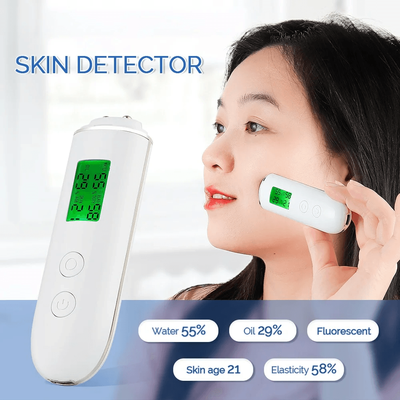
GlowBake Advanced Skin Tester, Face Skin Moisture & Oil Content Analyzer Advanced Skin Tester, Face Skin Moisture & Oil Content AnalyzerDiscover your skins true condition with our advanced Skin Tester a compact yet powerful face skin analyzer designed to measure moisture, oil content, skin water, cheek elastic quality, and even estimate skin age in seconds. Ideal for home use or pro...27,97 $*Shipping: 0,00 $Secure redirect to the provider
-
How can one create this bokeh?
To create bokeh, one can use a lens with a wide aperture, such as f/1.8 or f/2.8, to achieve a shallow depth of field. This will help to blur the background and create the characteristic out-of-focus circles of light. Additionally, positioning the subject a good distance away from the background and using a longer focal length can also enhance the bokeh effect. Finally, shooting in natural light or using artificial lights in the background can help to create the desired bokeh effect. **
-
How can one create proper bokeh?
To create proper bokeh, one should use a lens with a wide aperture, such as f/1.8 or f/2.8, to achieve a shallow depth of field. This will help to blur the background and create a smooth bokeh effect. Additionally, positioning the subject a good distance away from the background can also enhance the bokeh. Lastly, shooting in good lighting conditions can help to create a more pleasing and defined bokeh effect in the final image. **
-
'How do you achieve this bokeh?'
To achieve bokeh in photography, you can use a lens with a wide aperture, such as f/1.8 or f/2.8, to create a shallow depth of field. This will blur the background and create the soft, out-of-focus effect that is characteristic of bokeh. Additionally, positioning the subject a good distance away from the background can help enhance the bokeh effect. Finally, using natural light or adding some artificial light can also help to create beautiful bokeh in your photos. **
-
How can one create a proper bokeh?
To create a proper bokeh effect in photography, you can follow these steps: 1. Use a lens with a wide aperture (such as f/1.8 or f/2.8) to create a shallow depth of field. 2. Position your subject a good distance away from the background to create separation. 3. Ensure there are small, distant light sources in the background, like fairy lights or city lights, to create the characteristic blurred circles of light. 4. Experiment with different focal lengths and distances to achieve the desired bokeh effect. **
Similar search terms for Bokeh
-
Guidecraft Contemporary Kitchen HelperSafely enjoy every moment of togetherness with the original folding Kitchen Helper Step Stool for toddlers. Encourage independence and give children access to counter height using the adjustable platform.199,95 $*Shipping: 0,00 $Secure redirect to the provider
-
Guidecraft Contemporary Kitchen HelperSafely enjoy every moment of togetherness with the original folding Kitchen Helper Step Stool for toddlers. Encourage independence and give children access to counter height using the adjustable platform.199,95 $*Shipping: 0,00 $Secure redirect to the provider
-
Which compact camera is suitable for bokeh?
A compact camera with a wide aperture lens, such as the Sony RX100 series or the Canon PowerShot G7 X Mark III, would be suitable for achieving a bokeh effect. These cameras have larger apertures (f/1.8 or wider) that allow for a shallow depth of field, resulting in a blurred background that enhances the subject of the photo. Additionally, cameras with larger sensors, like the Sony RX100 series, can also help in creating a more pronounced bokeh effect. **
-
Which Samsung Galaxy S20 model has the bokeh effect?
All three models of the Samsung Galaxy S20 (S20, S20+, S20 Ultra) have the bokeh effect feature. This feature allows users to capture photos with a blurred background, making the subject stand out more prominently. The bokeh effect can be adjusted and customized to achieve different levels of background blur, giving users more control over their photography. **
-
Which Samsung Galaxy S20 model has the Bokeh effect?
All three models of the Samsung Galaxy S20 (S20, S20+, S20 Ultra) have the Bokeh effect feature. This feature allows users to capture photos with a blurred background, making the subject stand out more prominently. The Bokeh effect is achieved through the advanced camera system and software capabilities of the Galaxy S20 series, providing users with professional-looking photos. **
-
Which bokeh lens is suitable for Micro Four Thirds?
A bokeh lens with a wide aperture, such as f/1.8 or lower, is suitable for Micro Four Thirds cameras. This will allow for a shallower depth of field and better background blur, creating a pleasing bokeh effect. Additionally, lenses with longer focal lengths, such as 50mm or 85mm, are often preferred for portraits on Micro Four Thirds cameras as they can further enhance the bokeh effect. It is important to consider the crop factor of Micro Four Thirds cameras when choosing a bokeh lens to achieve the desired effect. **
* All prices are inclusive of VAT and, if applicable, plus shipping costs. The offer information is based on the details provided by the respective shop and is updated through automated processes. Real-time updates do not occur, so deviations can occur in individual cases. ** Note: Parts of this content were created by AI.